The ironmaking blast furnace hydraulic control system serves as the core power and control hub of the blast furnace’s mechanical equipment, providing high‑pressure, stable hydraulic power for top‑of‑furnace burden distribution, front‑furnace tapping operations—including clay guns, taphole openers, and slag skimmers—and valve switching, thereby ensuring safe, continuous, and efficient blast furnace operation.
1. Main Components of the System
- Hydraulic pump station: Provides the power source and includes the main oil pump, motor, oil tank, and cooling/heating system.
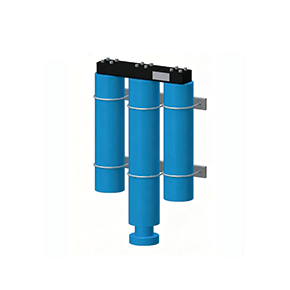
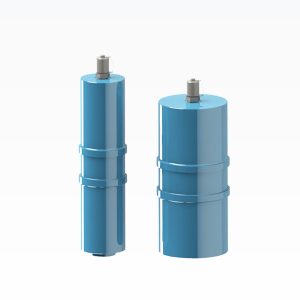
- Severin piston accumulator unit: Provides pressure stabilization, pressure maintenance, and emergency energy storage, meeting the demands of sudden high‑flow conditions or power‑outage protection.
- Control valve assembly: integrates directional, pressure, and flow valves to precisely control the actuator’s motion.
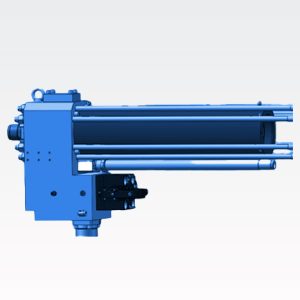
- Actuating elements: various hydraulic cylinders and hydraulic motors that drive the rotation of the furnace top chute or the compaction of the mud gun.
- PLC Electrical Control System: Enables automated logic control and real-time condition monitoring.
2. Core Application Areas
- Blast furnace top system: It drives the rotation and tilt-angle adjustment of the bellless burden chute, demanding extremely high positioning accuracy.
- Iron‑tapping area: The equipment—such as the tapping‑hole opener for drilling and the clay‑gun for sealing the tapping hole—operates in an environment characterized by high temperatures, dust, and severe impact.
- Hot blast stove and gas system: controls the rapid switching of large-diameter valves, such as the raw gas shut-off valve and the combustion valve.
3. Common Technical Requirements
- High reliability: 7×24 Continuous operation for hours, with critical components equipped with dual circuits or emergency manual controls. / Accumulator standby function.
- Contamination resistance: At the blast furnace site, dust levels are high and temperatures are elevated; the lubricant must be regularly filtered and cooled to prevent valve sticking.
- Precise pressure retention: Equipment such as the tapping gun requires excellent pressure‑retention performance during the pressing phase to prevent iron leakage at the taphole.