SCHWERLL, with its high-end piston accumulators and integrated accumulator systems designed for extended maintenance intervals and high cycle reliability, has secured extensive application opportunities in high-end, high-pressure hydrostatic press forming lines. Its products are installed on and reliably operated over extended periods across a wide range of equipment production lines at leading manufacturers such as K&W, Yonghong, Qingdao Foundry, Suzhou Foundry, and China National Machinery Industry Corporation, making SCHWERLL a core supplier of premium accumulator system integration solutions in the industry.
The high-pressure hydraulic static pressure molding line is primarily used for the mass production of precision castings of engineering machinery components, hydraulic valve bodies, pump housings, automotive structural parts, and general‑purpose mechanical cast iron parts, representing a clean, automated modern casting solution.
1. High-pressure hydraulic isostatic presses include cast‑forming‑specific isostatic presses and isothermal isostatic presses, which are widely used in industries such as sand‑mold compaction, isostatic forming of casting blanks, and energy‑storage‑based pressure‑boosting systems, among other applications.
1.1 Core Role
- It provides stable high-pressure hydraulic power to the entire forming line, relying on accumulators to store high-pressure oil and deliver large pressures instantaneously.
- High-pressure static compaction is applied to the molding sand. Compared with vibration‑pressure molding, static‑pressure molding yields sand molds with uniform density, high dimensional accuracy of castings, and excellent surface finish.
- Suitable for sand mold casting production of small and medium-sized castings, valve bodies, hydraulic components, and construction machinery parts.
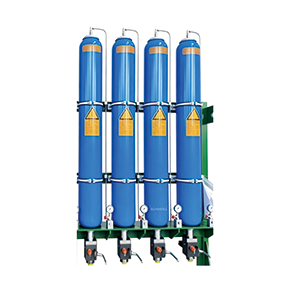
1.2 Structural Composition (as shown in the figure)
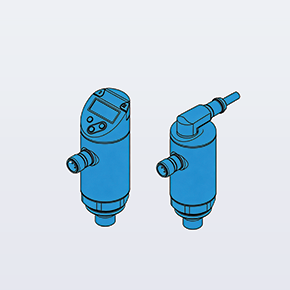
Vertical high-pressure accumulator cylinder assembly, hydraulic main control valve assembly, pressure gauge monitoring module, drive oil pump unit, base-mounted integrated piping, and pressure‑regulating electrical control cabinet.
1.3 Advantages
It delivers stable pressure output and maintains pressure for extended periods, preventing sand molds from collapsing and significantly reducing porosity and sand‑inclusion defects in castings, while seamlessly integrating with automated production lines for continuous operation.
2. The entire automated static-pressure molding closed-loop production line, with a multi‑level steel‑frame three‑dimensional layout, is the mainstream assembly line in modern foundries. Its segmented functions are as follows:
2.1 Upper Bin System (Top Cone Hopper Body)
- Function: Stores molding raw and auxiliary materials such as new sand, reclaimed sand, resin, and curing agent; discharges material by gravity and is equipped with a discharge gate for precise, metered feeding.
- Yellow guardrails serve as a safe access route for high-rise maintenance and routine inspections.
2.2 Mid-level shaping host workstation (cylindrical equipment enclosed by a fence)
The core of the entire production line: the static-pressure molding machine receives high-pressure hydraulic power from the static-pressure press and performs the following operations: sand filling, high-pressure static compaction, mold removal, and box assembly, thereby producing qualified molds.
2,3 Lower-layer transfer and drive mechanism (bottom red roller transmission assembly)
The motor–sprocket–roller drive system is responsible for conveying, transferring, and advancing the sandboxes, sequentially routing the finished sandboxes to the pouring, cooling, and shake‑out processes.
2.4 Steel frame platform and stair system
The tiered layout vertically integrates sand storage, sand mixing, molding, and sand‑box conveying, thereby reducing the plant’s footprint. Piping and cable routing are neatly organized, facilitating equipment maintenance and inspection.